The Kent Project is designed by Ome Dezin, a Los Angeles-based interior design and development studio focusing on residential restoration. Kent was guided by a dialogue between Bauhaus principles and California living — a balance of clarity, function, and warmth.
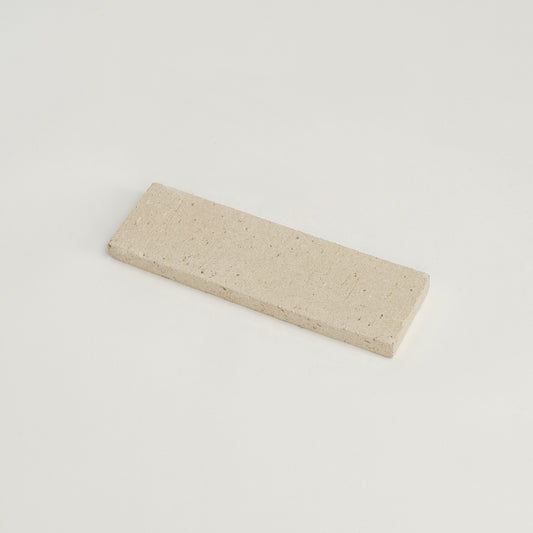
View Brick Clay Paver
"We focused on creating a sanctuary that feels both structured and comfortable. Where clean architectural lines are softened by material warmth."
On the design:
Kent was guided by a dialogue between Bauhaus principles and California living — a balance of clarity, function, and warmth. The original 1956 home had strong bones, but it needed to be carefully taken apart and rebuilt in a way that honored its character while allowing it to live more openly. We focused on creating a sanctuary that feels both structured and comfortable. Where clean architectural lines are softened by material warmth. The wood paneling, exposed beams, and built-ins create a continuous language throughout the home, while moments of color, art, and furniture bring in contrast and personality. It’s a space that feels intentional but still very livable.
"With so much wood, we wanted a material that could break that up while still feeling cohesive. The Calcite tone does that; lightens up the space without feeling stark, and adds texture in a quiet, supportive way."
On material selection:
We were drawn to the Clay Tile in Calcite for its subtle variation and warmth. It also plays an important role in balancing the home; with so much wood, we wanted a material that could break that up while still feeling cohesive. The Calcite tone does that; lightens up the space without feeling stark, and adds texture in a quiet, supportive way.
We used the tile universally around the home as a grounding element. It added texture and a bit of dimension while still being subtle and soothing. It was used in the Kitchen, Fireplace, Primary Bathroom and on the exterior of the carport.
Photos by Martina Tolot Moroder